We live in a world where AI doesn’t just respond—it understands. Where intelligent systems adapt to your unique needs, whether you’re a code-savvy developer or a strategic founder. That leap in AI capability is being driven by Model-Context Protocols (MCPs)—a critical framework that turns raw AI into context-aware intelligence.
A. What Are Model-Context Protocols?
Model-Context Protocols (MCPs) are a set of standardized communication methods that allow AI models to understand and adapt to context. Whether you’re deploying AI in software development, content creation, or customer service, MCPs act as the glue connecting the user’s intent with the model’s output.
The MCP Ecosystem
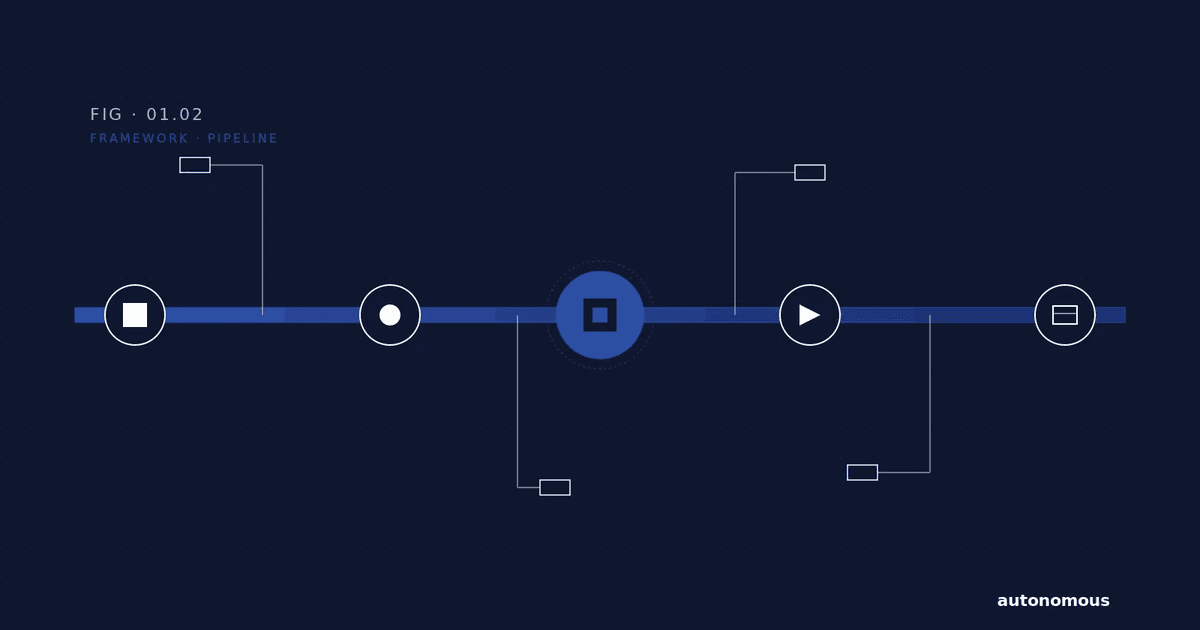
The MCP ecosystem consists of three main elements:
- Client: The application or interface where users interact with AI
- Server: The host of the AI model
- Protocol: The rules and infrastructure that define how context is shared between them
This framework is essential to context management in AI, ensuring every output is not just accurate—but relevant..
B. Model Context Protocol Business Benefits
MCPs offer substantial advantages across both technical and non-technical workflows:
- Improved AI Accuracy
By using context-aware communication, AI models generate more tailored and accurate outputs. This eliminates generic responses and enhances user trust. - Enhanced Usability and Personalization
Context-aware AI protocols adapt to user tone, urgency, and history. This transforms AI from a static tool into an intuitive, personalized assistant. - Greater Efficiency and Resource Optimization
MCPs intelligently allocate resources based on task complexity. As a result, AI systems become faster and more efficient—ideal for enterprise-scale deployments.
Business Impact
Whether you’re automating customer support or deploying generative AI tools for marketing, the model context protocol business benefits include:
- Shorter development cycles
- Reduced engineering overhead
- More scalable AI infrastructure
- Better cross-departmental AI usability
“Our AI systems used to process every query using the same amount of resources, but with context protocols, we’ve slashed processing times because the system now knows when it’s something simple versus complex.” said Mark, a backend engineer I talked to recently.
C. How MCPs Work: Key Components
To fully appreciate MCPs, it’s helpful to understand their inner workings: professionals working with AI.
Context Manager: Collects and stores contextual inputs
Protocol Interpreter: Bridges communication between AI and the context layer
Query Optimizer: Refines and routes queries for optimal processing
Response Generator: Crafts intelligent outputs based on enriched context
These components power the standardized AI protocols that enable real-time adaptability and smarter decision-making.
D. MCPs in AI Development: A Game-Changer for Developers
Eliminate Redundant Code
No more endless glue code. MCPs give developers standardized tools to connect models seamlessly, reducing boilerplate and integration effort.
Here’s a comparison of development time with and without MCPs:
| Task | Without MCPs | With MCPs |
|---|---|---|
| Model Integration | 8 hours | 2 hours |
| Error Handling | 4 hours | 1 hour |
| Data Formatting | 6 hours | 1.5 hours |
Accelerate Development
With MCPs in AI development, teams can:
- Rapidly prototype AI apps
- Plug-and-play different models
- Build complex pipelines with modular components
Scale with Confidence
As your AI infrastructure grows, MCPs:
- Ensure consistent data flow
- Support multi-model environments
- Simplify scaling across cloud and on-prem systems
Future-Proof Your Stack
Early adoption of MCPs positions teams for:
- Easier onboarding of new AI tech
- More agile pivots in strategy
- Long-term maintainability
E. MCPs for Business & Non-Technical Users
Model-Context Protocols aren’t just for engineers. The model context protocol business benefits directly support non-technical users by:
Reducing Engineering Dependencies
You can adjust AI behavior or swap out components without deep tech expertise—enabling faster, more autonomous decision-making.
Simplifying AI Integration
Deploy AI with drag-and-drop simplicity:
- Select pre-configured models
- Customize for your department
- Roll out without relying on developers
Increasing Reliability
MCPs reduce failure rates caused by misunderstood inputs or lack of context—making your AI systems more dependable and predictable.
| Without MCPs | With MCPs |
|---|---|
| Generic responses | Tailored outputs |
| Frequent errors | Improved accuracy |
| Limited usefulness | Practical applications |
Driving Down Costs
With less custom engineering, you’ll see:
- Lower deployment costs
- Faster go-to-market for AI features
- Easier pivoting across strategies or tools
With these benefits, you’re well-positioned to leverage AI as a powerful tool for innovation and growth in your organization.
F. Model Context Protocol Alternatives: How Do They Compare?
There are a few model context protocol alternatives—including hardcoded context modules, manually-engineered prompt chains, and API wrappers—but these often fall short:
| Approach | Scalability | Flexibility | Developer Overhead |
|---|---|---|---|
| Model-Context Protocols (MCP) | High | High | Low |
| Manual Prompt Chains | Low | Medium | High |
| API-Specific Wrappers | Medium | Low | Medium |
Unlike these model context protocol alternatives, MCPs are designed to scale effortlessly while maintaining clarity, reusability, and speed.
G. Final Thoughts: Why MCPs Matter Now
In an AI-first world, Model-Context Protocols are no longer optional—they’re a competitive advantage. Whether you’re an engineer fine-tuning AI models or a marketer leveraging AI for content creation, understanding MCPs will give you a competitive edge.
Embracing MCPs means:
- Smarter AI interactions
- Reduced development time
- Personalized, reliable, and scalable AI systems
So if you’re serious about leveraging AI—not just using it—it’s time to move beyond one-size-fits-all models. Invest in context-aware AI protocols and unlock the true potential of intelligent systems.